Magnesium Deficiency: Warning Signs, Health Risks & How To Prevent Them
Magnesium is a very important mineral. It plays a crucial role in maintaining overall health. Its main function is to support the muscle and nerve function, regulate blood pressure, maintain heart rhythm, and help in energy production. Magnesium deficiency is common in many individuals. This is due to a poor diet, stress, and some underlying medical conditions. It is crucial to understand the warning signs, symptoms and prevention methods to help stay healthy and prevent serious complications.
What Are The Warning Signs Of Magnesium Deficiency?
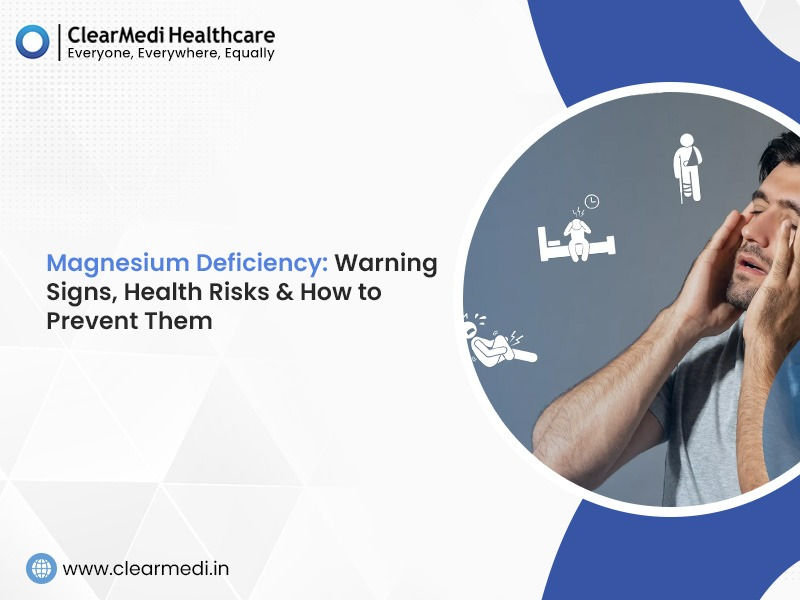
Magnesium deficiency develops gradually. The early symptoms are almost negligible and are thus overlooked. One of the most common symptoms of magnesium deficiency is muscle cramps or twitching. This happens mostly in the legs. Some other symptoms include persistent fatigue, weakness, and low energy levels.
Some other early symptoms are headaches, dizziness, nausea, difficulty sleeping, numbness, tingling sensations, mood swings, anxiety, irritability, and even depression.
In severe cases, magnesium deficiency can also lead to abnormal heart rhythms, chest discomfort, or seizures. These symptoms require immediate consultation at a trusted internal medicine hospital.
What Are The Health Risks Associated With Low Magnesium Levels?
If you experience long-term deficiency of magnesium levels, it can increase your risk of serious health conditions. A serious health concern related to magnesium deficiency is cardiovascular disease. Magnesium levels help regulate blood pressure and heart rhythm. Low levels of magnesium can cause hypertension and an increased risk of heart attack and stroke.
Magnesium is also very crucial for your bone health. It helps maintain strong bones. The deficiency of magnesium can cause bones to weaken and also increase the risk of osteoporosis. This is more common in adults.
Magnesium also plays a crucial role in glucose metabolism, and low levels of it can contribute to type 2 diabetes.
Additionally, your mental health can also be affected. It can increase the risks of anxiety, depression, migraines, and stress-related disorders.
If you experience even one symptom related to megnicium deficiency, please visit an internist at an internal medicine hospital.
What Are The Common Causes Of Magnesium Deficiency?
Some common causes of magnesium deficiency are poor diet, excessive alcohol consumption, chronic diarrhoea, kidney disorders and gastrointestinal issues. Thus, the doctor advises us to consume a healthy diet that includes vegetables, fruits and whole grains. This will help maintain magnesium levels.
How Can You Prevent Magnesium Deficiency?
You can prevent magnesium deficiency by following these steps:
Maintaining a balanced diet by including vegetables, nuts, seeds, whole grains and bananas
Staying hydrated.
Managing stress
Exercising regularly
Limiting your alcohol intake
In some cases of magnesium deficiency, the doctor may also recommend supplements. In these cases, it is crucial to visit an internist at an internal medicine hospital.
Conclusion
Symptoms of magnesium deficiency must never be ignored, even if they are mild, as they can escalate into serious conditions if left untreated. Thus, it is crucial to recognise the early symptoms and seek consultation. If you experience persistent symptoms related to magnesium deficiency, please visit an internal medicine doctor at ClearMedi Healthcare.
Also Know About:


Comments